Understanding the psychological triggers that drive gambling behavior
The Allure of Risk and Reward
Gambling is an age-old practice that taps into fundamental psychological triggers related to risk and reward. The thrill of risking a small sum for the potential of a large payoff activates the brain’s reward system, releasing neurotransmitters like dopamine. This makes players feel excited and fulfilled, reinforcing the desire to gamble. The unpredictable nature of games also enhances this thrill, as players become captivated by the possibility of winning big. Online gaming platforms like Kinghills Casino offer a diverse array of options that feed into this excitement.

Moreover, the perceived value of rewards can be inflated by cognitive biases. For example, players often recall their wins more vividly than their losses, leading to an illusion of control over outcomes. This can create a cycle where individuals believe they are ‘due’ for a win, motivating them to gamble more. The excitement and adrenaline associated with gambling can overshadow the reality of the odds, creating an environment ripe for compulsive behavior.
The interplay between risk and reward also extends to the social context of gambling. Many individuals are drawn to the communal experience of casinos or online gaming platforms, where the excitement is shared among peers. This social interaction can amplify the psychological triggers, as players encourage each other and celebrate wins together, further reinforcing their gambling behavior.
The Impact of Cognitive Biases
Cognitive biases play a significant role in how gamblers perceive their chances of winning. One prevalent bias is the «gambler’s fallacy,» which is the belief that past outcomes influence future results. For example, if a player experiences several losses in a row, they may feel that they are more likely to win next, prompting them to wager even more. This skewed perception of probability can lead to irresponsible gambling habits.
Another cognitive bias is the illusion of control, where individuals believe they can influence the outcome of games based on skill or strategy, even in purely chance-based games. This can lead to overconfidence and increased betting, as players feel empowered by their perceived abilities. The more they engage in these cognitive distortions, the more entrenched their gambling behavior becomes, often leading to negative consequences.
The psychological impact of these biases extends beyond the individual to the broader gambling environment. Marketing strategies employed by casinos and online gaming sites often exploit these cognitive biases, promoting the idea that luck and skill can be harnessed. This not only attracts new players but also keeps existing ones engaged, further fueling the cycle of gambling and reinforcing detrimental behaviors.
The Role of Emotional Triggers
Emotions significantly influence gambling behavior, with many individuals using gambling as a coping mechanism to manage stress, anxiety, or depression. The temporary escape provided by gambling can be appealing, as it allows players to forget their troubles and experience exhilaration. However, this often leads to a harmful cycle where individuals rely on gambling to cope, leading to increased financial and emotional distress.
Furthermore, emotional triggers can manifest in various ways, such as the desire to celebrate or the need for a distraction. Positive emotions, like excitement or happiness, can drive individuals to gamble as a form of entertainment. Conversely, negative emotions can prompt impulsive gambling as a way to seek relief or validation. This emotional rollercoaster can lead to disordered gambling behavior, where individuals become trapped in a cycle of highs and lows.
Understanding the emotional triggers can help in developing effective interventions for those struggling with gambling issues. Mental health professionals can work with individuals to identify these triggers and explore healthier coping mechanisms. This approach not only aids in reducing gambling behavior but also promotes emotional well-being and resilience.
The Influence of Environment and Social Factors
The environment in which gambling occurs can significantly impact behavior. Casinos and online platforms are designed to create immersive experiences that heighten excitement and prolong playtime. Elements like bright lights, sounds, and even scents can stimulate the senses and enhance the thrill of gambling. This carefully curated atmosphere can make it challenging for individuals to recognize the risks associated with their behavior.
Social factors also play a crucial role in gambling behavior. Social norms and peer influences can encourage individuals to engage in gambling, often normalizing the behavior. When friends or family members participate in gambling, it can create a sense of belonging and acceptance, making it more difficult for individuals to assess the risks involved. This social aspect can create a pressure to gamble, leading to increased participation even when individuals recognize the potential for harm.
Moreover, the rise of online gambling has changed the landscape of social interactions related to gambling. Virtual platforms allow for anonymity and accessibility, making it easier for individuals to engage in gambling without social scrutiny. While this can offer convenience, it can also lead to increased risk-taking behavior, making it essential for players to be aware of the social dynamics at play in their gambling choices.
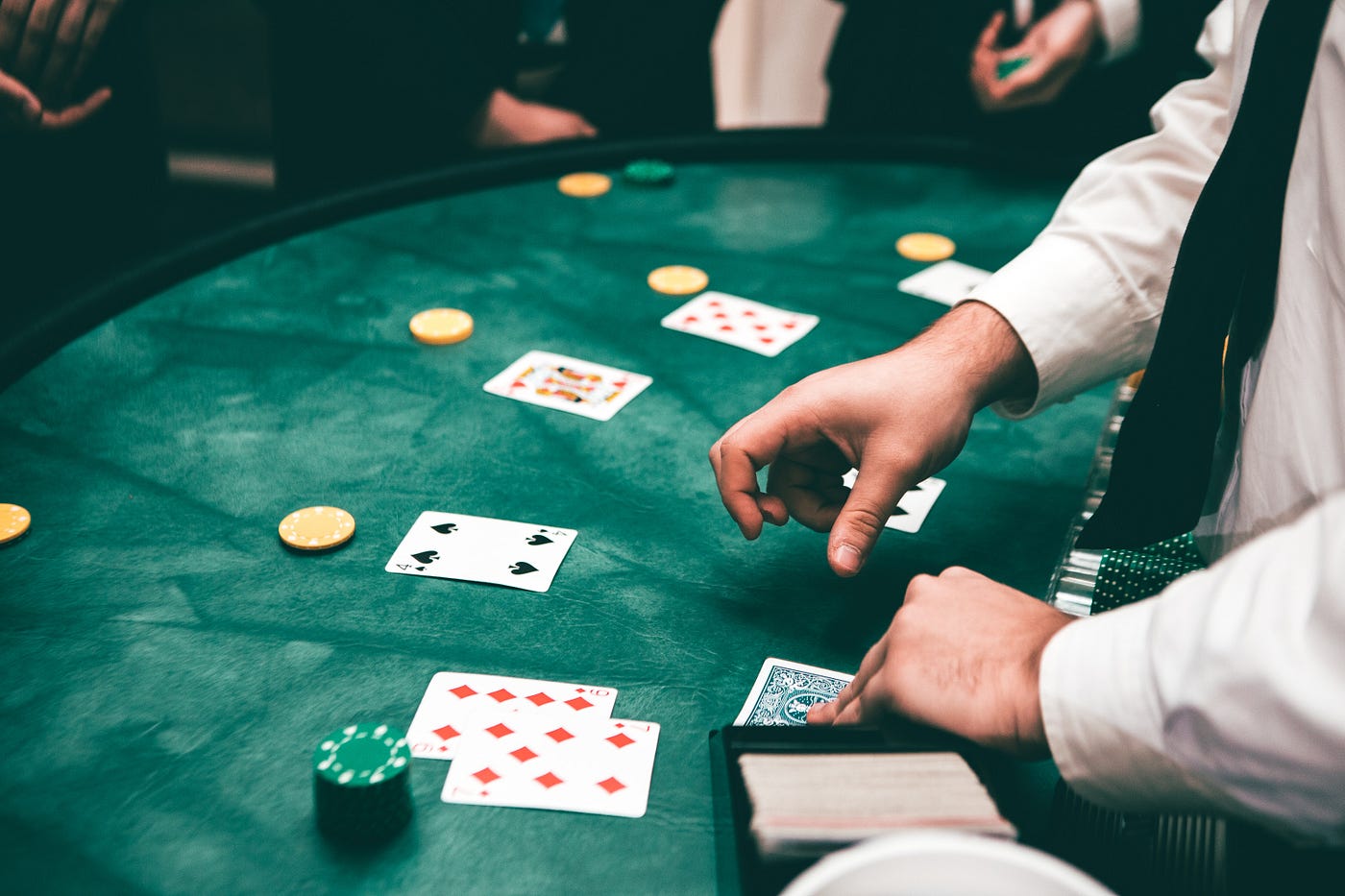
KingHills Casino: A Responsible Gaming Approach
At KingHills Casino, we understand the psychological triggers that drive gambling behavior and prioritize player well-being. Our platform is designed to promote responsible gaming while offering a diverse range of games, including slots, table games, and live dealer options. We strive to create a safe and enjoyable environment for our players, recognizing that understanding the psychology behind gambling is key to fostering healthier gaming habits.
We offer various tools and resources to help players manage their gambling behavior, including self-exclusion options and tools for setting limits on deposits and playtime. Our commitment to player security is underlined by our licensing from the UK Gambling Commission and our use of SSL encryption to protect personal information. We encourage our players to approach gaming as a form of entertainment, ensuring that it remains a fun and controlled activity.
Join us at KingHills Casino, where you can explore our extensive collection of games while benefiting from our commitment to responsible gaming. By fostering awareness of the psychological aspects of gambling, we aim to create a gaming experience that is not only thrilling but also safe and enjoyable for all players.


Deja una respuesta